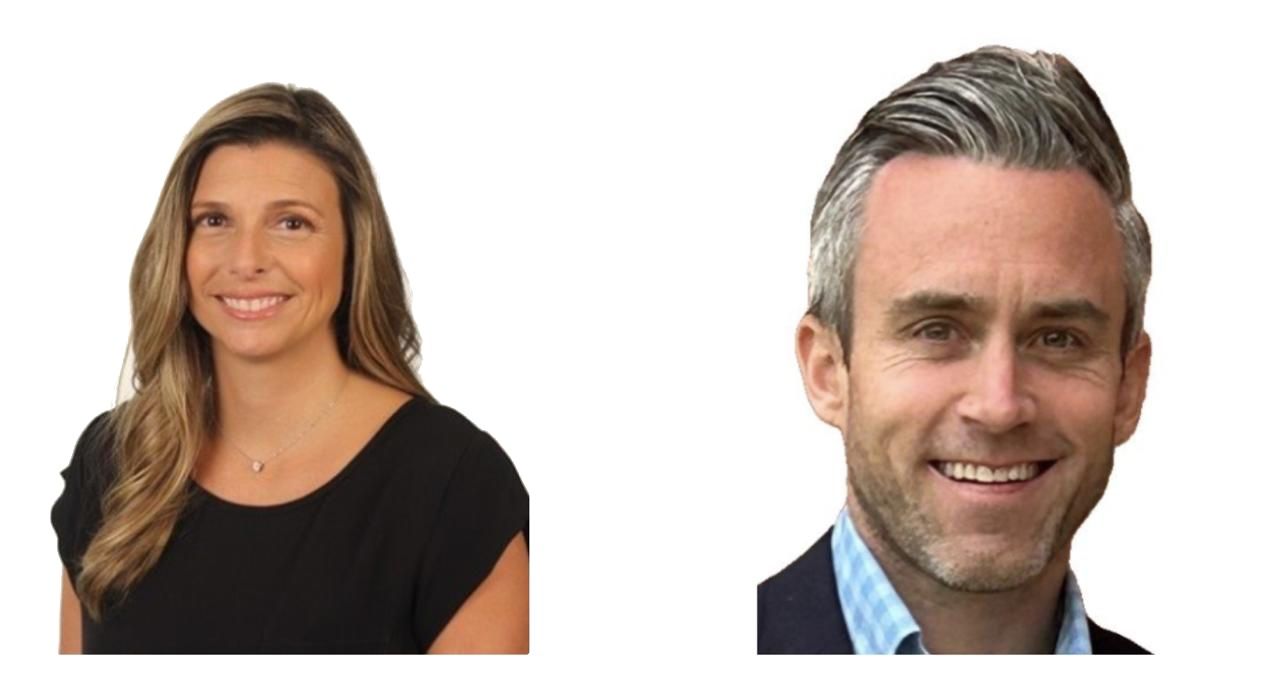
Graham Lucard is a multi-location home-services operator with more than 20 years of industry experience. He co-founded Unique Indoor Comfort of Philadelphia in 2011, built it over a decade and led it through a 2021 private equity recapitalization and subsequent add-on acquisitions as a platform. After Ace Hardware Home Services acquired the business in 2023, he joined Ace as VP of Operations. He helped scale the platform to more than $150 million, focusing on operational performance, organizational development and building systems that support growth across locations.
Jennifer Pierce is a home-services entrepreneur, operator and WestGate Partners advisor with more than 25 years of industry experience. She co-founded Clay’s Climate Control in 2001 and spent 22 years building the company before its acquisition, later serving as VP of Integrations and Training and Director of Operational Excellence at Ace Hardware Home Services. She has also served on the national board of the Air Conditioning Contractors of America, bringing the perspective of a founder and platform executive to business growth, training and successful integration.
Both Graham and Jen have firsthand experience as operators whose businesses were acquired and integrated into larger PE-backed platforms. We spoke with them about what investors should look for in home-services businesses, the operational challenges that emerge after an acquisition and what it takes to successfully build and scale a buy-and-build platform.
WestGate Partners: You went from Marketing Manager at Unique Indoor Comfort to Director of Operations and stayed in that role for over 11 years. What did your marketing background give you that career ops people often miss, and what did you have to learn the hard way once you moved into the ops seat?
Graham Lucard: My marketing background taught me that the customer experience begins before a technician arrives, so convenience and ease of doing business matter just as much as marketing campaigns. In a growing company, customer acquisition has to remain everyone's responsibility, and marketing and operations must work together. I learned that growth exposes shortcuts: long-term success depends on systems that preserve a consistent, high-quality customer experience while improving efficiency.
WGP: You spent five years at Wyeth Pharmaceuticals in sales before co-founding Clay's Climate Control in 2001. What made you leave pharma for HVAC, and what did pharma sales teach you that gave you an edge building a trades business?
Jennifer Pierce: Clay and I founded Clay's Climate Control in 2001 because we wanted to build a business of our own, create more flexibility for our family and provide excellent service in a workplace where people felt valued. Clay built customer trust through the quality of his work and his relationships, while my pharmaceutical sales experience showed me the importance of employee training, development and clear expectations. We brought those principles together by focusing on both customer care and opportunities for employees to grow.
WGP: You helped scale a platform to roughly $150 million. What changes operationally when a business goes from a handful of locations to a true multi-location platform?
GL: Moving from a few locations to a multi-location platform means shifting from managing people directly to managing the systems and processes that drive performance. Common operating procedures, KPIs and regular reporting help leaders identify root causes and apply solutions across locations instead of repeatedly fixing the same problems. Successful platform leaders build scalable systems and develop people who can lead within them, because growth challenges are often as much about leadership as operations.
WGP: Performance management and organizational development have been a big part of your work. How do you keep accountability and culture consistent as locations and leaders multiply?
GL: Consistency starts with a culture of continuous improvement and a simple set of shared metrics that every location understands. Leaders need to model openness, make it safe to ask for help and treat accountability as an objective way to improve rather than a personal criticism. Developing future leaders also takes intentional coaching, clear career paths, patience and a commitment to the same improvement mindset expected of their teams.
WGP: You built Clay's Climate Control for 22 years, scaling from startup to acquisition-ready. What are the two or three things you did deliberately in the last five years that made the business genuinely sellable, and what did you not do early enough that you wish you had?
JP: In the final five years, we focused on making the company less dependent on Clay and me by strengthening our leadership team and implementing EOS to improve accountability and consistency. We also expanded our maintenance agreement program to create more predictable revenue and built a technician-training pipeline with a local high school. Looking back, I wish we had documented processes and developed leaders earlier, because those systems made the business more scalable and attractive to a buyer.
WGP: You served on the national board of ACCA for nearly five years at a time when PE was aggressively consolidating HVAC. From that vantage, what did you see about PE's entry into the trades that most contractor-owners still misunderstand?
JP: Contractors need to consider not only the valuation but also how their role and independence may change after an acquisition. I was surprised by how motivating it was to compare performance across a larger platform and learn from other businesses, although some owners adapted to the added structure more easily than others. The right transaction depends on finding a partner whose expectations align with the owner's goals for the business and their own future involvement.
WGP: You've been through the transition from running a growing residential service business to being part of a larger PE-backed platform. How did that change the way you think about acquisitions today?
GL: Experiencing both sides of an acquisition showed me that owners are choosing who they trust with their business, their people and the culture they built. The strongest deals feel like partnerships, with the buyer preserving what makes the business valuable while providing resources to help it grow. When owners feel included in what comes next, they are more likely to stay engaged and help their teams support the transition.
WGP: You've led integrations and training after acquisitions, including building operating playbooks. What are the first things you look at when a newly acquired business enters a platform?
JP: I start by understanding the leadership team and how the business actually operates, because due diligence alone cannot show how people make decisions or work together. I then assess accountability, financial and operational performance as well as core processes such as call handling, dispatching, technician productivity and maintenance agreements. Just as importantly, I look for practices worth preserving or sharing before deciding what needs to change and building an integration plan.
WGP: Founders often carry decades of knowledge that isn't written down anywhere. How do you capture it in a playbook without disrupting the culture and customer relationships that created the value?
JP: A platform should not assume it automatically has a better way of doing everything, because each business has developed processes and customer relationships that may be central to its success. I spend time with owners, managers, dispatchers and technicians to understand not only what they do but why they do it. A strong playbook standardizes what needs to be consistent while preserving useful local flexibility, capturing what works and improving what does not.
WGP: After more than 20 years in home services, what's one belief about acquisitions, integration or value creation that you've changed your mind about?
GL: I used to believe integration speed was the most important factor, but I now believe the sequence of changes matters more. Teams need to understand why integration is happening and feel confident in the plan before being asked to change how they work. Moving too quickly can overwhelm employees, distract them from their day jobs and ultimately slow progress.
WGP: After decades on the operating side of home services, what's one belief about acquisitions, integration or value creation that you've changed your mind about?
JP: I used to think the right people, systems and processes would naturally lead to successful integration, but experience across 16 integrations taught me that change must be managed carefully. Too many new expectations and initiatives at once can overwhelm even capable leadership teams. Integration works best when changes are broken into practical steps with clear reasons, measures of success, accountability and ongoing support.
Operators and investors can reach out to both Graham and Jen directly via LinkedIn.