| |
THIS WEEK'S KEYS:Pulse: The Growing Skilled Labor Shortage Playbook: 5 Things Buyers Look for in a CIM Spotlight: The Other Buyers in the Room Roundup: This Week’s M&A Highlights
Have a great weekend! | | |
| | | PULSE The Growing Skilled Labor Shortage | 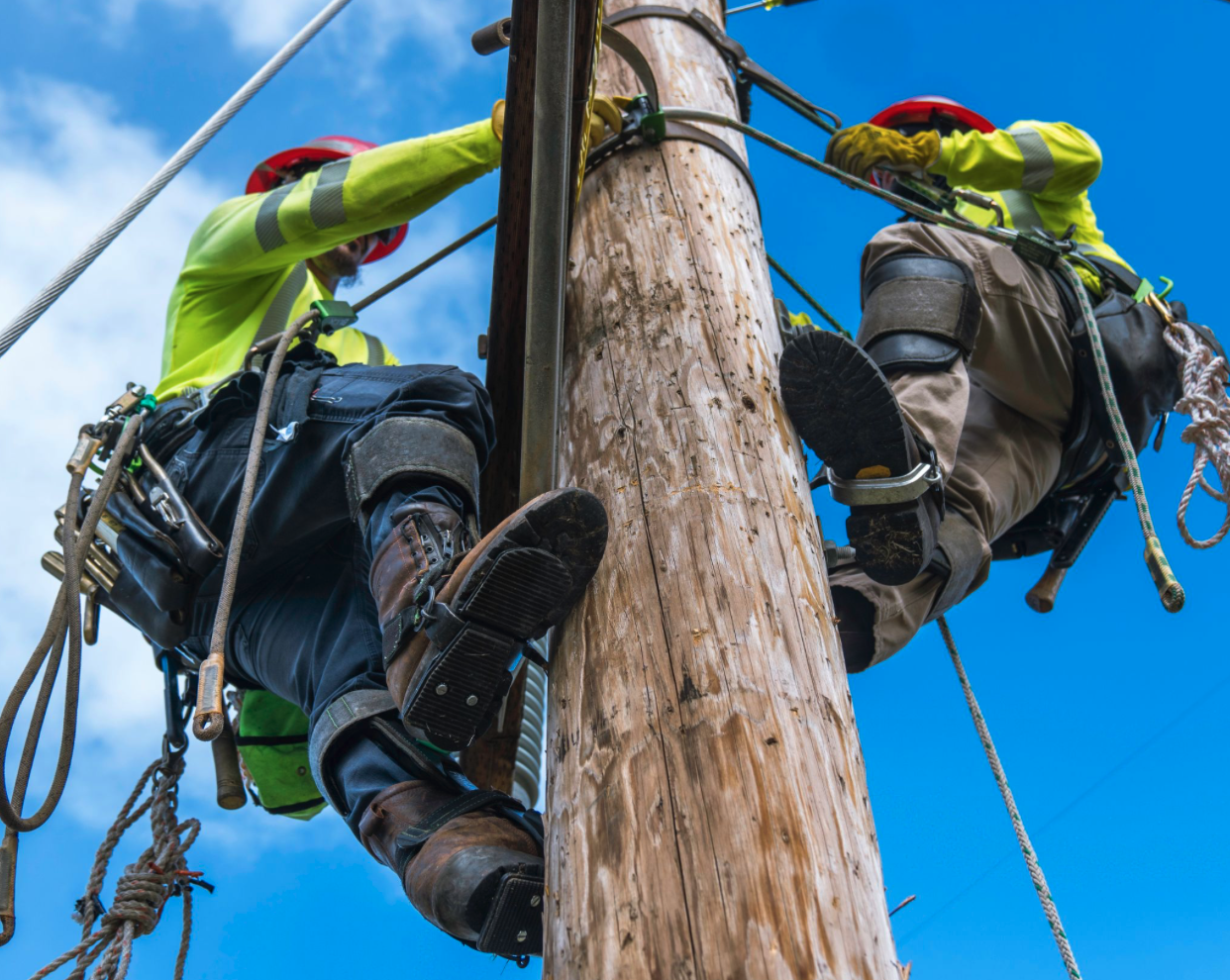 | Photo By Adobe Stock Photos |
|
|
|
|---|
The labor shortage in skilled trades has stopped being an abstract hiring headache. According to JLL's 2026 report, ~2.1 million skilled trades positions could go unfilled by 2030, putting as much as $1 trillion in annual economic losses at risk. For home services operators, that is not a distant macro trend. It is the electricians, HVAC technicians and plumbers needed to staff every job.
The supply and demand gap is stark. According to Fortune's coverage of the JLL report, nearly 600,000 jobs were posted last year for major skilled trades roles while only ~150,000 new workers entered the field through apprenticeship programs. The demographics compound the problem. Over one in five construction workers is older than 55 and 39% of electricians are 45 or older, meaning the industry is losing experienced workers to retirement faster than it can train replacements.
That retirement wave is already showing up in near-term hiring numbers. According to Construction Dive's reporting on Associated Builders and Contractors' 2026 workforce forecast, the construction industry needs 349,000 new workers this year alone. Associated Builders and Contractors chief economist noted that most of that demand comes from retirements rather than growth in construction spending, meaning it will persist regardless of how the broader economy performs.
Capital is beginning to respond. BlackRock, Lowe's and Google have pledged a combined $365 million toward trades training, and federal Pell Grants became available for short-term vocational programs starting July 1, 2026, per Tech Times. The practical takeaway for operators is direct: wage pressure and technician scarcity are structural, not cyclical. Retention strategy, training pipelines and total labor cost per job are a bigger lever on margin than almost anything else on the P&L this year. |
|
|
|
|---|
|
PLAYBOOK 5 Things Buyers Look for in a CIM |  | Photo by Adobe Stock Photos
|
| Sophisticated buyers decide whether a deal is worth a phone call in minutes. According to Acquidex's 2026 CIM guide, associates at PE firms and strategic acquirers screen dozens of these documents a month. The ones that survive first-pass review tend to share the same characteristics.
A sharp executive summary. According to Adaptive Capital Partners, buyers spend under five minutes scanning for revenue, EBITDA, growth rate and one or two concrete reasons the business deserves a premium multiple. Not a mission statement.
Clean financials. Buyers expect three to five years of historical income statements, balance sheets and cash flow statements alongside a detailed EBITDA reconciliation that itemizes every add-back. Inconsistent numbers are often disqualifying on their own. Customer concentration addressed directly. For smaller platforms, buyers look for no single customer above ~15% of revenue. Anything higher requires a clear retention narrative, not a footnote. Evidence the business survives the owner's exit. PE firms scrutinize whether the CEO is also the top salesperson and head of operations. A named org chart showing a management layer beneath the owner signals the business can scale post-close. Clear, credible growth levers. According to Magistral Consulting, buyers want specific expansion paths such as new geographies, service lines or cross-sell opportunities. Generic optimism does not move sophisticated buyers.
A CIM is not a brochure. It is a screening tool, and buyers use it to disqualify as fast as they qualify. Get these five right and the document does its job: converting a cold read into a scheduled call instead of a pass. |
|
|
|
|---|
|
| |  | Photo by Adobe Stock Photos |
| Private equity no longer has the home services side to itself. Family offices, independent sponsors and search funds are competing for the same HVAC, plumbing and electrical platforms and winning deals on terms PE structurally cannot match.
The core difference is time horizon. According to CT Acquisitions, family offices hold portfolio companies for 10-30 years, sometimes permanently, while PE operates on fund-driven cycles that force an exit regardless of performance. That patience shows up directly in deal terms and in how founders feel about the process.
The shift is not anecdotal. According to Axial's 2025 Independent Sponsor Report, independent sponsors accounted for 27% of closed deals on the platform, ahead of traditional PE funds at 20%. Two out of three family offices surveyed expect to increase engagement with independent sponsors over the next two to three years.
Search funds are growing too. Stanford's 2024 Search Fund Study found a record 94 launched in 2023, targeting hold periods of six to ten years at a median entry multiple of 7.0x EBITDA. Patient capital and moderate entry prices give searchers room to compete where fit matters more than speed.
The structure is more flexible with non-traditional buyers. Family offices accept seller financing of 10-25% of enterprise value versus PE's typical 5-10% cap and tolerate earnouts of 10-30% compared to PE's sub-20% ceiling. Governance is lighter too, quarterly check-ins versus monthly board meetings, and founders are replaced in an estimated 60-70% of PE-backed LMM deals within 12-36 months of closing.
The tradeoff is price and speed. Family offices typically bid 0.5x to 1.0x EBITDA below PE headline multiples. For owners evaluating offers, the calculus is no longer PE versus a lower bid. It is speed and price versus control and staying power. |
|
|
|
|---|
|
| | This Week’s M&A Highlights |  |
|
|
|---|
|
●Talus Holdings-backed Riverview Landscapes has acquired Labadini Corporation, a Shrewsbury, MA-based commercial landscaping and snow management services company
●SIG Partners-backed Reliable Service Partners acquired All American Home Service, a Juneau, AK-based HVAC and plumbing services company
●Greenbelt Capital acquired Bowe & Gant, a Sewell, NJ-based essential, nondiscretionary electrical and energy infrastructure services company
●Concentric Equity-backed Aruza Pest Control acquired Core Pest Solutions, a Charleston, SC-based pest control services company
●Asymmetric Capital-backed Cabana acquired H&H Pool Services, a Dublin, CA-based pool maintenance and repair services company
●Riverarch Equity-backed Fortress Pest Brands acquired Miche Pest Control, a Manassas, VA-based pest management services company
●Concentric Equity-backed Leap Partners acquired Central Heat & Air, a Cleveland, OH-based heating, ventilation and air conditioning services provider
●RFE Investment Partners-backed Launchpad Home Group acquired Top to Bottom Services, a Gaithersburg, MD-based home and commercial property inspections company
●Genix Holdings-backed Right Traffic acquired Expert Traffic Control, a Tualatin, OR-based traffic control company
●Recology acquired Tahoe Truckee Disposal, a Tahoe City, CA-based waste collection and processing company |
|
|
|---|
|
ABOUT US WestGate Partners | | | WestGate Partners (WGP) is an independent sponsor focused on acquiring and growing lower middle market businesses in residential and commercial services. We bring institutional experience, tailored capital with hands-on partnership to help owners transition, grow and preserve their legacy. By partnering with strong operators, we build enduring businesses in economically-insulated industries. |
|
|
|
|---|
|
For more information, please visit: |
|
|
| | |
|---|
|
|