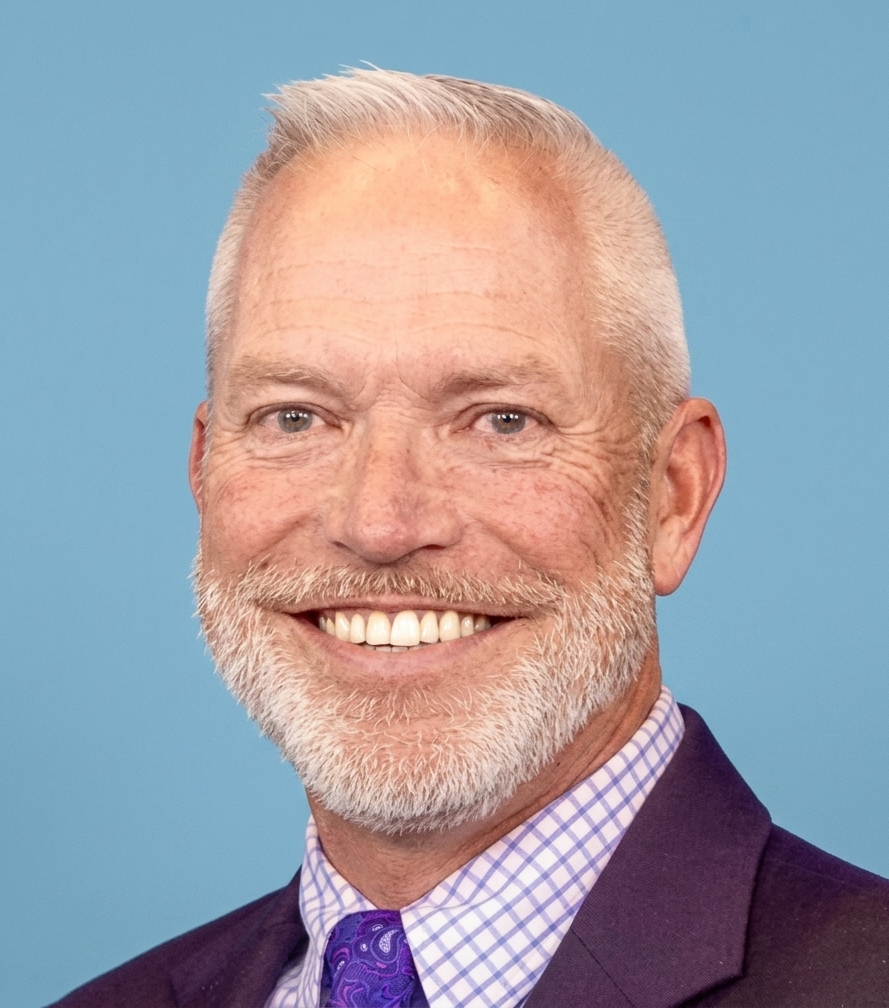
Paul Lukert is the founder of LeadScape Partners and a fractional COO who has founded and sold three companies in the field services industry. He works exclusively with PE sponsors and founder-led operators, installing the leadership infrastructure that lets a field services business run without its founder. He has run the same operational diagnosis across dozens of engagements and has spent his career building the systems he once lacked as an owner.
We asked Paul to give us a few insights on the current outlook in the field services industry and his experiences with growing companies.
WestGate Partners: You have been on both sides, founder and fractional COO. If you could only bring one lens into a struggling business, which would it be and why?
Paul Lukert: The founder lens, because the owner has to believe you have stood where they are standing before they will let you change anything. Once you have run the same diagnosis across thirty companies, the patterns stop being interesting and start being predictable.
WGP: Before you have looked at a single spreadsheet, what do you look for just by watching how people move and communicate?
PL: Three signals: who interrupts who in the morning huddle, where the owner physically stands and how many times someone says I'll have to ask in the first hour. Structure shows up before the P&L does.
WGP: You describe most business problems as structure problems, not people problems. Walk us through what that actually looks like on the ground.
PL: A production manager was being asked to deliver against a schedule he did not build, with crews he could not refuse and against a margin he did not price. We fixed the org chart in week two, the people problem disappeared in thirty days and that manager is still in the seat eighteen months later.
WGP: There is a version of every field services business where the owner is the bottleneck and does not know it. What does their Tuesday calendar look like?
PL: Twenty-three meetings, eighteen of which are decisions someone else should be making. Cross out every meeting where the answer was already obvious to two other people in the room and what remains is the actual job.
WGP: Where does margin most commonly disappear in a field services business and is there a specific line item where you almost always find it?
PL: Crew labor on jobs that were priced before the foreman became less productive, and almost nobody is running the variance to see it. We install a labor variance report in the first thirty days of every engagement and by week sixteen, gross margin is up two to four points in most companies.
WGP: Most field services companies stall at the same revenue ranges. What is the structural diagnosis and where do you see it most often?
PL: It is not one number, it is four: three million, five million, ten million and fifteen million, each one the same problem in a different form. At every ceiling, the owner has not redistributed enough of the work that built the company to create capacity at the next layer.
WGP: Pick one engagement. What was broken when you arrived, what did you change, and what was different ninety days later?
PL: A twelve-million-dollar maintenance company on its fourth GM in five years, where the GM owned the title but the owner owned every decision. We wrote a decision-rights map, installed a Friday labor variance report and rebuilt the Monday meeting around the GM. Ninety days later the owner's calendar went from twenty-one meetings to nine, gross margin was up three points and the GM was still in the seat.
WGP: When a PE sponsor closes a deal in a field services business, what is the riskiest window in the first hundred days and what should they have ready before they walk in?
PL: Days thirty through forty-five, when the founder is mentally gone but the new operator has not yet earned the team's permission, which in field services is granted at the foreman level on its own schedule. Sponsors need a written decision-rights handoff, a named interim operator with real authority and a weekly cadence with the founder scheduled before close.
WGP: Private equity has been buying lower middle market essential services companies aggressively. What are buyers consistently underestimating about what it takes to run these businesses?
PL: Buyers underwrite the EBITDA but do not underwrite who actually makes the schedule on Tuesday morning, and those are not the same number. The infrastructure that produced the EBITDA at five million has to be rebuilt across three other desks before the company can hold the next layer of revenue, and that is the part the model does not show.
WGP: Who is the right person to be reading this and reaching out to you, and what should they have on hand when they do?
PL: A few people. A PE sponsor closing on a field services platform in the next ninety days. A founder thinking about a transaction in the next twelve to twenty-four months. A recruiter placing an operator into a platform where the seat needs to be steady before the permanent hire arrives. And just as often, an owner who has no intention of selling but wants the business to run without them, someone tired of being the bottleneck, who wants to step back from daily operations without watching performance slip. Whether the goal is a clean exit, a stronger valuation down the road, or simply a business that no longer depends on the owner being in the building, the work is the same: making the operation self-sustaining.
Operators and investors can reach Paul directly at paul@leadscapepartners.com