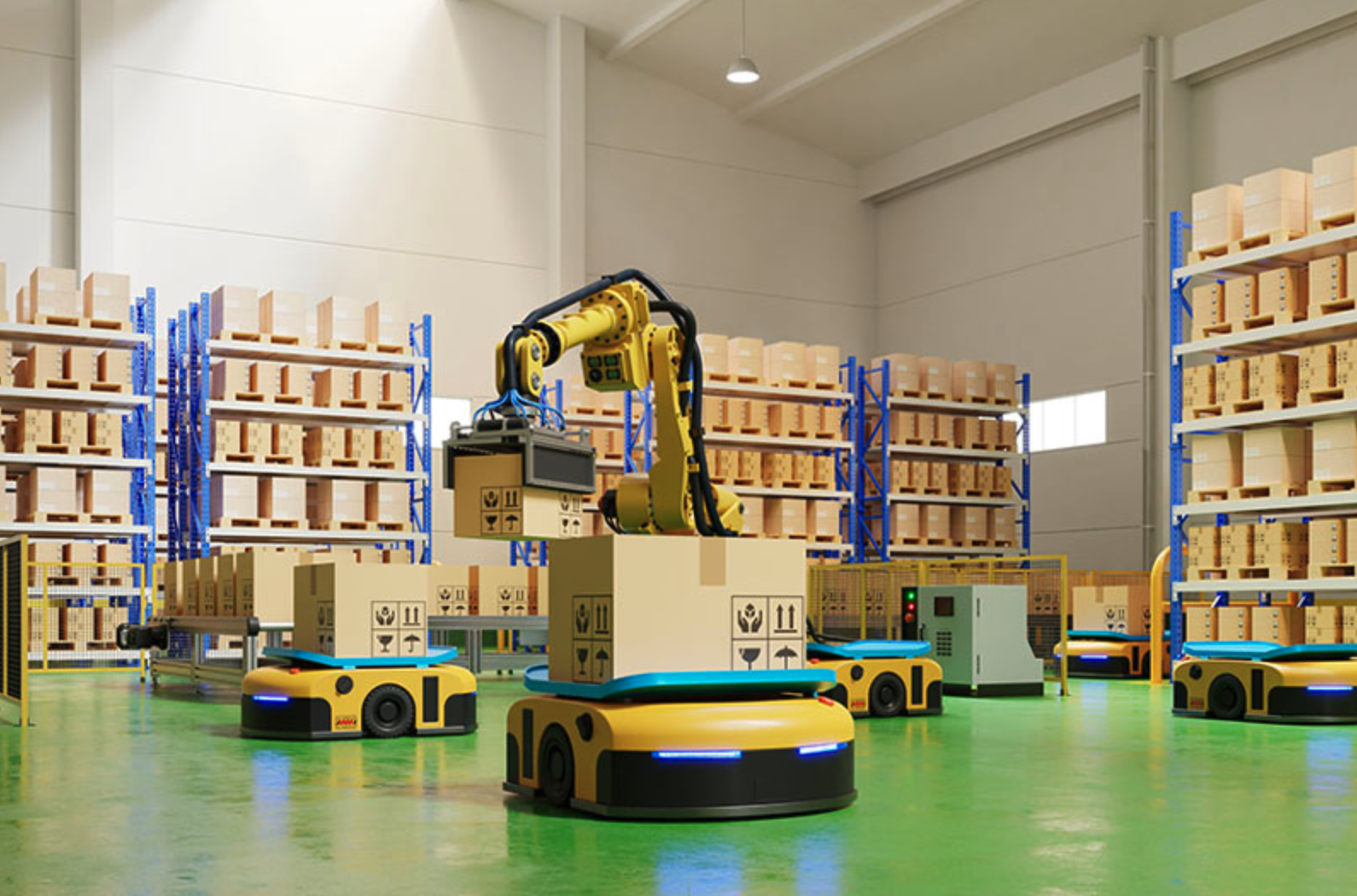
For much of the past two years the industrial sector has operated in a state of strategic restraint. Rising interest rates, persistent inflation and geopolitical fragmentation forced many companies to slow expansion plans and focus internally. Capital expenditures were scrutinized more carefully, portfolios were streamlined and non-core assets were divested as firms prioritized balance sheet resilience over growth. Global deal activity reflected that caution. According to Dealogic data, industrial M&A volume fell sharply in 2023 as higher financing costs and valuation uncertainty stalled negotiations across multiple sectors.
Entering 2026 that posture is beginning to shift. Instead of waiting for macroeconomic clarity, industrial leaders are increasingly using acquisitions as a mechanism to reposition their businesses for the next decade of competition. Bain & Company reports that global deal value rebounded significantly in 2025, driven in large part by large strategic transactions in industrials and infrastructure. Bain estimates that megadeals valued above $10 billion accounted for roughly one third of global deal value last year, signaling that large-scale consolidation has returned as companies pursue scale and operational resilience.
Recent transactions illustrate the trend. The proposed $71.5 billion combination of Union Pacific and Norfolk Southern would represent one of the largest industrial mergers in decades and would reshape the U.S. freight rail network. While regulatory scrutiny remains high, the strategic logic reflects a broader industry shift toward consolidation in sectors where scale improves efficiency, pricing power and capital access. Across transportation, manufacturing and infrastructure services, companies are increasingly viewing M&A as a tool to strengthen supply chains and expand technological capabilities rather than simply increase market share.
Technology itself has become one of the primary drivers of industrial dealmaking. Artificial intelligence and advanced analytics are rapidly changing the competitive landscape of manufacturing and industrial services. PwC’s 2026 Global CEO Outlook highlights a growing valuation gap between companies that have successfully integrated AI into operations and those that have not. Firms that deploy machine learning in predictive maintenance, demand forecasting and automated production systems are achieving measurable efficiency gains, often commanding higher valuation multiples as a result.
This shift is changing what companies are actually buying when they pursue acquisitions. Investment is no longer limited to physical assets or production capacity. Increasingly the focus is on data infrastructure, software capabilities and specialized technical talent. EY-Parthenon reports that roughly one third of industrial CEOs now prioritize acquisitions specifically to obtain intellectual property or engineering expertise. Recent transactions illustrate this transition. Trane Technologies’ acquisition of BrainBox AI for example reflects the growing importance of software platforms that optimize building performance and energy efficiency, turning traditional HVAC equipment into digitally enabled systems.
Geopolitical forces are also reshaping the map of industrial consolidation. The era of fully globalized supply chains has given way to a more regionalized model shaped by tariffs, national security concerns and logistical risk. Deloitte’s 2026 M&A Trends Survey notes that many industrial firms are using acquisitions to nearshore production and reduce reliance on distant manufacturing hubs. Instead of expanding into unfamiliar international markets companies are increasingly pursuing domestic bolt-on acquisitions that strengthen local supply chains and shorten delivery networks.
Mexico has emerged as a particularly important component of this shift. According to data from the U.S. Census Bureau, Mexico became the largest trading partner of the United States in 2023 with bilateral trade exceeding $800 billion. Industrial companies seeking proximity to North American markets have increasingly invested in Mexican manufacturing capacity under the USMCA framework. At the same time many firms continue to diversify production across multiple countries to reduce geopolitical exposure.
Financing conditions have also begun to stabilize. Although traditional bank lending remains cautious following the rapid rise in interest rates earlier in the decade, alternative financing channels have filled the gap. Private credit funds in particular have played a growing role in supporting industrial acquisitions. KPMG reports that nearly half of mid-to-large industrial transactions in late 2025 and early 2026 involved financing from private credit lenders rather than traditional syndicated bank loans. The ability of these lenders to move quickly and provide flexible structures has helped revive deal activity even as capital markets remain selective.
Taken together these dynamics suggest that industrial M&A is entering a new phase. Rather than simply expanding capacity or market share companies are using acquisitions to accelerate technological transformation, strengthen supply chain resilience and reposition their portfolios for a more uncertain geopolitical environment.
For industrial leaders the message is increasingly clear. In a world shaped by AI-driven productivity gains, regionalized supply chains and shifting capital markets, standing still carries its own risk. Strategic acquisitions have become less about opportunistic growth and more about long-term adaptation.