| | THIS WEEK'S KEYS:Pulse: A Blue-Collar Comeback Playbook: Cooling The Competition Spotlight: Efficiency Is The New Capacity Roundup: This Week’s M&A Highlights
Have a great week! | | |
| | | PULSE A Blue-Collar Comeback | 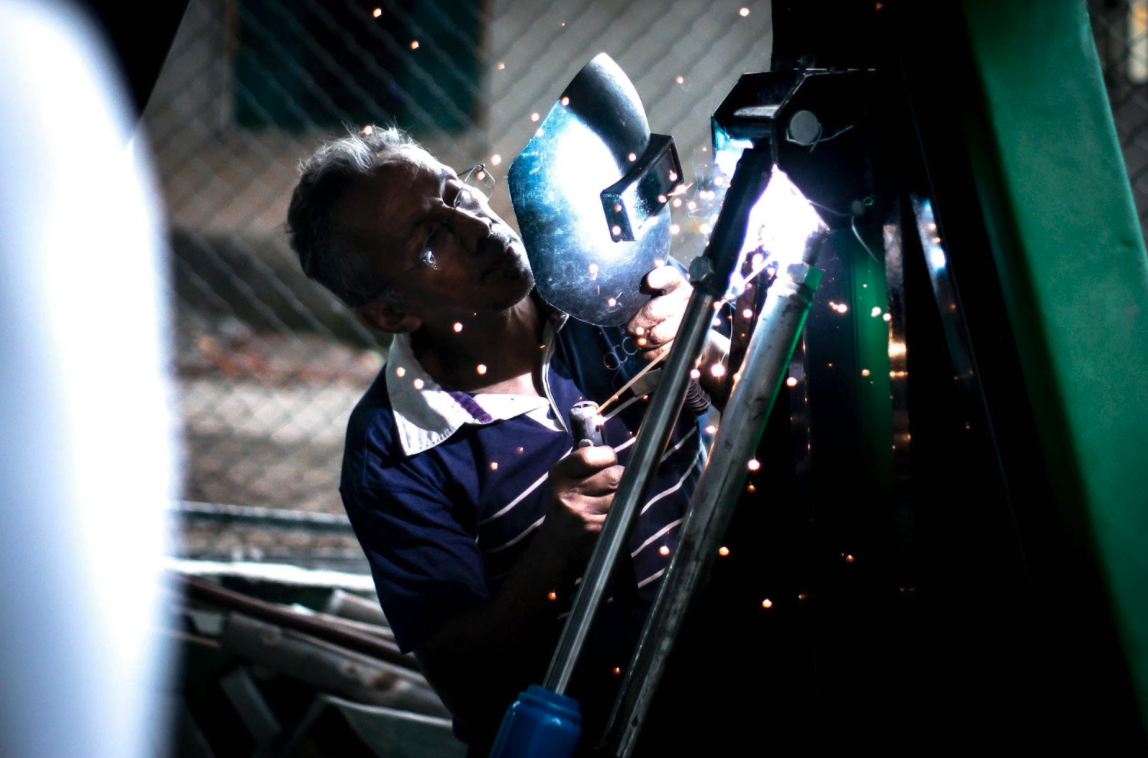 | | | For decades, the default path to a stable career was straightforward: earn a four-year degree, secure a desk job and begin a predictable climb. That model is now under pressure. The early-career labor market has shifted in ways that make the return on generalist degrees less reliable, while alternative pathways, particularly skilled trades, are drawing renewed attention from students and employers.
Recent labor data underscores this trend. The Federal Reserve Bank of New York reported that unemployment among recent college graduates averaged 5.3% in Q2 2025, and 41.3% of graduates were underemployed- working in roles that did not require a degree. At the same time, national unemployment reached 4.3% in August 2025 and monthly payroll gains slowed to roughly 22,000, signaling broader softening in white-collar hiring conditions.
The slowdown has been especially visible in tech. According to U.S. News reporting on industry layoffs, more than 98,000 roles have been eliminated across 200+ firms year-to-date, removing what had long been a reliable landing zone for graduates from business, engineering or computer science programs. As one researcher from the New York Fed put it, “The college-to-career pipeline is not broken, but it is delivering more variability in outcomes.”
In contrast, skilled trades are seeing sustained momentum. Enrollment in HVAC, electrical, welding, plumbing and automotive training programs continues to rise, supported by high placement rates and shorter training timelines. Morningstar’s trade education report highlights that Gen Z is driving much of this shift as students reassess debt loads and look for employment tightly connected to local and regional demand.
These roles also benefit from structural insulation within the economy. They are anchored to physical infrastructure, recurring maintenance cycles, and on-site problem solving, work that cannot be offshored and is less susceptible to automation than digital or administrative workflows. At the same time, large-scale capital investment is expanding the demand for skilled trades. The growth of EV and battery manufacturing, the rapid buildout of data centers supporting AI and the wave of commercial retrofitting all require technicians, fabricators and licensed installers. In other words, even as the economy becomes more digital, the physical footprint that enables it is getting larger, and so is the workforce needed to build and maintain it.
The strategic takeaway is not that college has lost its value. Rather, the labor market is rewarding specificity, applied technical skill and clear linkage between training and day-one job relevance. Students and families are recalibrating around outcomes, not credentials alone.
The pipeline from classroom to career is no longer defined by a single route. Graduates are navigating an economy where stability is shifting toward sectors grounded in essential physical work. The rise of the trades is not just a response to labor shortages but a rebalancing of how society values craft, applied skill and work anchored in the real world. The question for employers and educators now is not how to restore the old pathway, but how to support multiple credible ones. |
|
|
|
|---|
| |  | Photo by Kathleen Austin Kuhn |
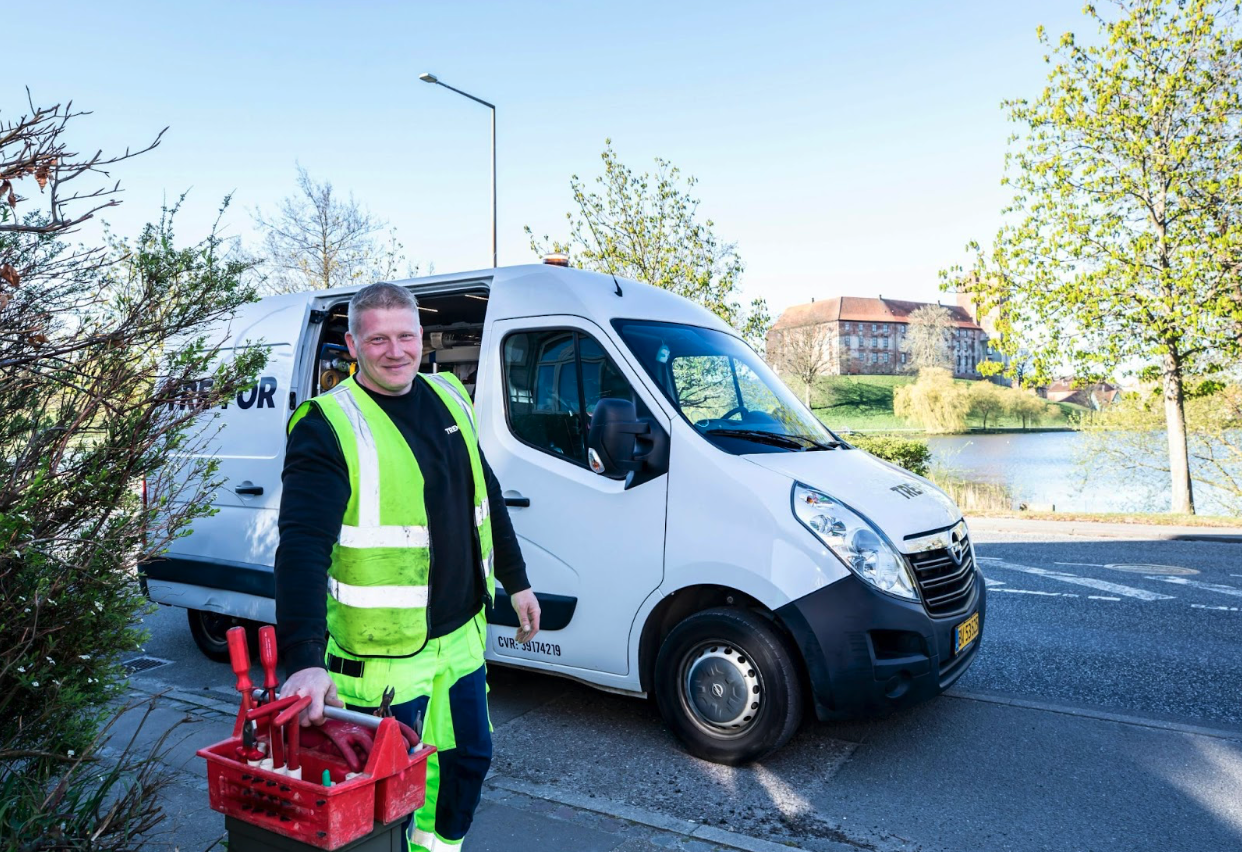
| As climate pressures rise and efficiency standards tighten, HVAC entrepreneurs are transforming seasonal businesses into data-driven, year-round service platforms.
Across the United States, HVAC operators are navigating a perfect storm of opportunity and pressure. Once driven largely by summer repair spikes, the industry is now shaped by record demand, stricter energy-efficiency mandates and evolving customer expectations. According to Mordor Intelligence, the U.S. HVAC services market is projected to surpass $150 billion by 2030, reflecting a broader shift toward sustainability, reliability and lifetime value as residential and commercial clients invest in smarter, greener systems.
The most resilient firms are not just installing systems, but they are re-engineering their business models. As noted in the SBE Odyssey’s HVAC Sales Training Guide for 2025, top performers are expanding beyond emergency calls into membership-based maintenance programs that stabilize cash flow, strengthen customer retention and provide data for predictive dispatching. By leveraging CRMs, automated reminders and diagnostic analytics, these operators convert one-time clients into long-term relationships. The report highlights that “one of the key differences with million-dollar HVAC techs is that they always follow an HVAC sales process every time. If you follow a sales process for your HVAC repair and maintenance visits, you will find that you increase the volume of sales you make on each call.”
This strategic pivot proved essential during the COVID-19 pandemic, when homeowners prioritized indoor air quality and comfort, which temporarily boosted demand. Firms that had already implemented recurring service models and proactive outreach sustained profitability long after seasonal surges declined. Today, technician upskilling, dispatch efficiency and SEER-compliance expertise distinguish modern, scalable operators from those still reliant on short-term repairs.
Meanwhile, the industry is also seeing a cultural shift. Owner-operators and family-run businesses are using transparency, reliability and tech-enabled service to compete with larger associations. This combination of data-driven tools and relationship-based service has allowed smaller operators to thrive while maintaining a personal touch. Platforms like Home Pros News spotlight these companies as examples of agility and adaptation, which shows how smaller firms can outperform larger competitors through consistent recurring-revenue strategies.
For operators and investors alike, HVAC’s evolution from tradition offers a clear takeaway, which is that in a climate where every degree matters, it is not just about keeping cool but also about keeping consistent. |
|
|
|
|---|
|
| | 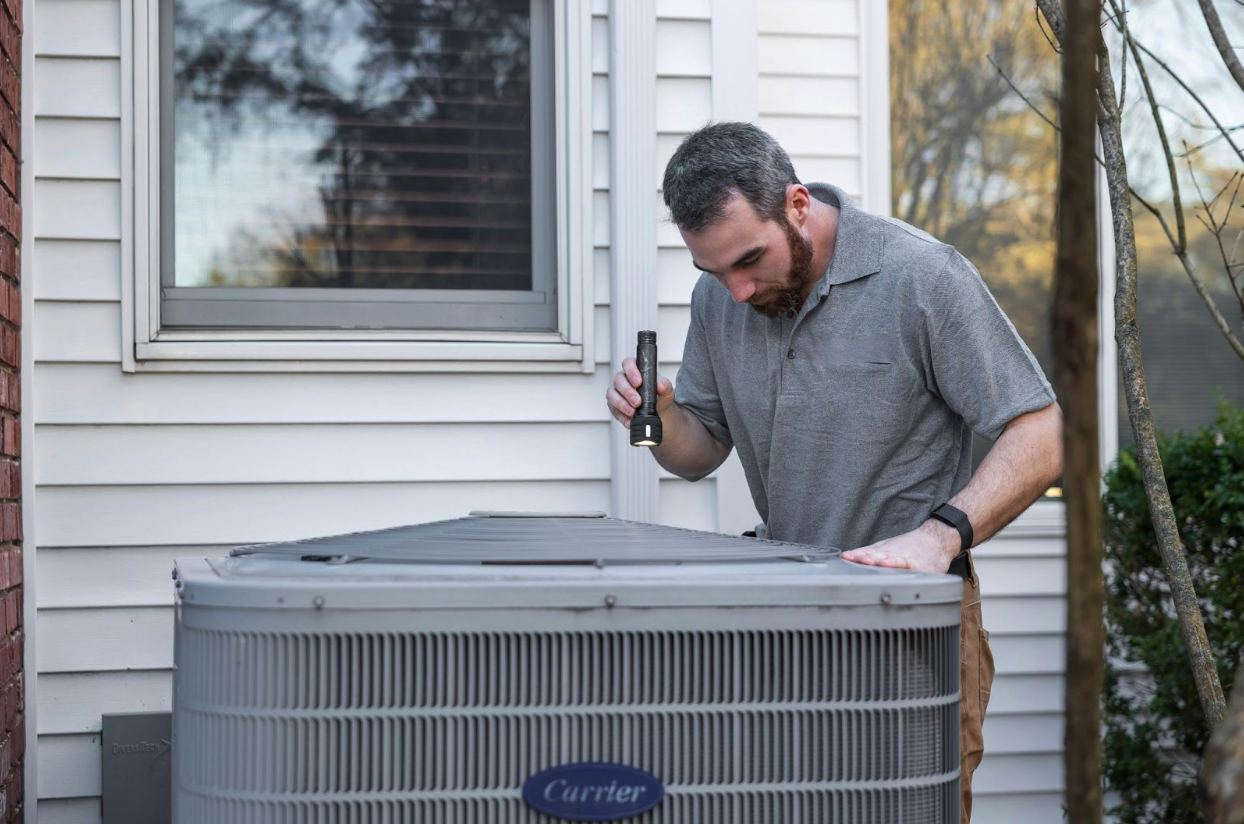 | | | Growth in home services is often equated with adding headcount. When demand rises the instinct is to hire another technician, another truck, another payroll line. But the best operators start elsewhere with a simple question: how efficiently is the current team moving through the day?
Consider two HVAC companies of similar size operating in the same market. Both have strong reputations and consistent inbound demand. Yet one completes nearly twice as many jobs per technician as the other. The difference is not skill, experience or training. It is routing. One company has built compact service zones where crews move efficiently from job to job. The other allows its schedule to fragment sending technicians across town multiple times a day. The result is that the first operator generates more revenue with the same team simply because less of the day is spent behind a windshield.
Routing is often viewed as an administrative task, a matter of calendars and dispatching. In reality it is a strategic lever that drives revenue, technician morale and long-term scalability. In many service businesses technicians spend 20 to 40 percent of the workday on the road. Every minute in transit is a minute not billed. Operators who tighten their service radius, cluster job types and sequence schedules to minimize travel unlock capacity without adding headcount or vehicles. This shift in mindset is becoming more common. The FieldConnect 2024 efficiency report highlights that “reducing technician travel time directly increases productivity and revenue potential because every saved mile adds minutes back to the workday.” The same analysis found that firms using routing optimization tools complete up to 18 percent more daily jobs per technician than those relying on static scheduling methods. As one operations lead summarized in the report, “The companies gaining the most ground today are not hiring faster. They are routing smarter. Efficiency is the new capacity.”
The impact extends well beyond margins. Routing discipline lowers technician stress, stabilizes appointment windows and strengthens the customer experience. Crews finish their routes closer to home, arrival times become predictable and the workday feels less chaotic. These quiet operational gains compound over time separating companies that scale from those that stall.
Capacity is not defined by headcount. It is defined by efficiency. Sustainable growth often begins not with hiring more people but with helping the current team move smarter, faster and closer together. |
|
|
|
|---|
|
| | This Week’s M&A Highlights |  |
|
|
|---|
|
| | • Ares-backed Landscape Workshop acquired commercial landscaping provider Live Oak Landscape • Century Park Capital Partners acquired landscaping operator Green Summit Landscape Group • Agellus Capital acquired Atlanta-based commercial landscaping provider HighGrove Partners • CERTUS Pest acquired eco-friendly pest management provider Good Earth Pest Control • HCI-backed LawnPRO Partners acquired organic lawn care provider Total Lawn Care, Inc • Massey Services acquired residential and commercial pest control firm Cloud Pest Management • Dycom Industries acquired premier data-center electrical contractor Power Solutions • SRGI acquired civil construction and site-work contractor Skinner Associates |
|
|
|---|
|
ABOUT US WestGate Partners | | | WestGate Partners (WGP) is an independent sponsor focused on acquiring and growing lower middle market businesses in essential residential and commercial services. We bring institutional experience, tailored capital with hands-on partnership to help owners transition, grow and preserve their legacy. By partnering with strong operators, we build enduring businesses in economically-insulated industries. |
|
|
|
|---|
|
For more information, please visit: |
|
|
| | |
|---|
|
|
|